
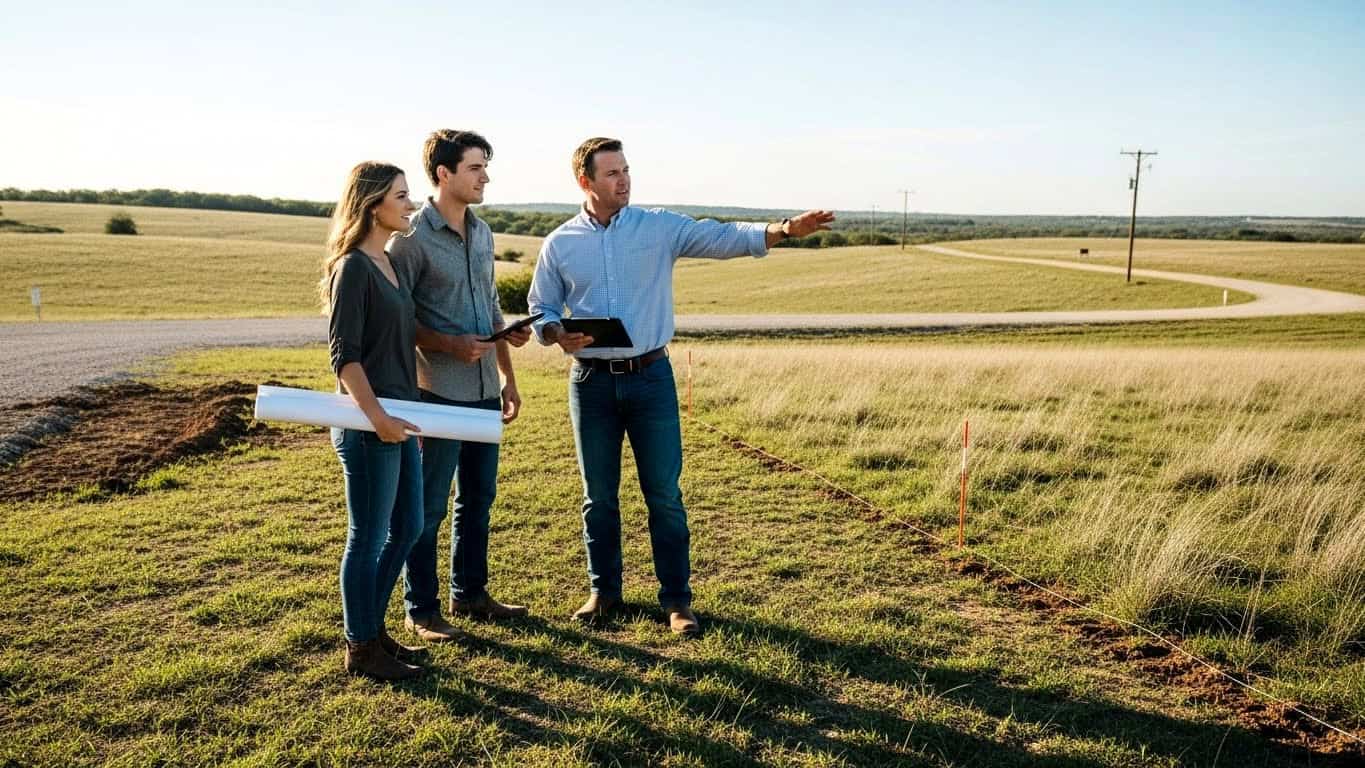
Choosing the right land is one of the most important—and most underestimated—steps in building a barndominium. The land sets the stage before steel rises or concrete flows. It influences design choices, construction costs, long-term livability, and resale value. In Texas, landscapes vary from open plains to wooded hills. The options here can feel endless and a bit overwhelming. A beautiful piece of land may seem perfect at first. But hidden factors can change everything. Zoning, utilities, soil conditions, and access all play a big role in your project. That’s why successful builds always start with informed land selection. At Barndominiums in Texas, we know the right property makes building easier and improves the final outcome. But the wrong choice can lead to delays, extra costs, and design issues. This guide shows you how to pick land that fits your vision, budget, and long-term goals. This way, your barndominium will start on solid ground.
Land selection is not about location—it’s about compatibility. The best barndominium builds happen when the land works with your lifestyle, not against it. Do you want privacy or proximity? Space for a workshop, livestock, or future expansion? Scenic views or easy highway access? Each answer shapes what type of property will serve you best. Texas allows unrestricted building, but such freedom comes with responsibility. So, do your homework first. By understanding how terrain, regulations, utilities, and environmental factors connect, you take charge. This way, you avoid surprises later. Planning a rural retreat, family homestead, or a home-and-shop mix? This framework helps you assess land with clarity and confidence, like seasoned builders.
20 Key Factors to Consider When Choosing Land
- Zoning and Land Use Restrictions
- County versus City Regulations
- Property Access and Road Quality
- Availability of Utilities
- Water Source Options
- Septic System Feasibility
- Soil Type and Load-Bearing Capacity
- Floodplain and Drainage Risks
- Topography and Natural Slope
- Acreage Size and Buildable Area
- Orientation for Sun and Wind
- Future Expansion Potential
- Proximity to Work and Amenities
- Privacy and Neighboring Properties
- Environmental Restrictions and Easements
- Survey Accuracy and Boundary Clarity
- Mineral and Water Rights
- Long-Term Property Value
- Local Builder and Trade Availability
- Cost Beyond Sale Price
Zoning and Land Use Restrictions
Zoning determines the legal building options for a property, and it should be one of the first factors you verify. Some parcels restrict residential construction or limit building size, height, or use. Even in rural Texas, zoning or deed restrictions can determine if someone can build a barndominium. Confirming zoning compatibility early prevents costly redesigns or legal issues down the road.
County versus City Regulations
Land outside city limits often offers more flexibility, but it also comes with fewer services. Counties may have different building codes, permitting processes, and inspection requirements than cities. Understanding where the property falls helps you project approvals, timelines, and potential savings. Many clients choose county land due to its fewer restrictions.
Property Access and Road Quality
Legal and physical access matters more than many buyers realize. Ensure the land has deeded access and is reachable year-round. Poor road conditions can increase construction costs and limit emergency access. A long, rough drive may be fine for weekends—but frustrating for daily living.
Availability of Utilities
Electricity, gas, and internet access can have a significant impact on your budget. Land without nearby utilities may call for expensive extensions. Many homeowners check available connections before buying, even if off-grid options are out there.
Water Source Options
Water can come from a well, a rural water supply, or a community system. Each option has different costs, timelines, and maintenance requirements. Well depth and water quality vary by region, so local knowledge is critical when evaluating land suitability.
Septic System Feasibility
If sewer service isn’t available, you’ll need a septic system. Soil tests reveal whether a standard or alternative system is essential. Some land cannot support septic at all without major expense, making this a non-negotiable factor.
Soil Type and Load-Bearing Capacity
Barndominiums rely on solid foundations. Clay-heavy or expansive soils may need engineered slabs or piers, increasing costs. A soil test provides insight into what kind of foundation your land calls for and helps avoid structural issues later.
Floodplain and Drainage Risks
Flood-prone land can lead to higher insurance costs, drainage work, or building limitations. You should always review FEMA flood maps and local drainage patterns. Even land outside official flood zones may need grading to manage runoff with ease.
Topography and Natural Slope
Flat land is easier and cheaper to build on, but gentle slopes can offer better drainage and scenic views. Steep terrain often requires extensive site work. Understanding how the land lies saves money and helps with smart building placement.
Acreage Size and Buildable Area
Total acreage doesn’t always equal usable space. Setbacks, easements, and natural features can limit where you can build. Check the actual buildable area. This way, the layout of your barndominium, driveway, and outbuildings is well thought out.
Orientation for Sun and Wind
Sun exposure affects energy efficiency and comfort. Proper orientation can reduce cooling costs and improve natural light. In Texas, understanding prevailing winds also helps with ventilation and outdoor living spaces.
Future Expansion Potential
Many homeowners plan to add shops, barns, or living space later. Choosing land with room to grow protects your investment and avoids the need to move. Thinking ahead now can save significant money later.
Proximity to Work and Amenities
Rural living offers peace, but long commutes can wear on daily life. Consider how far you are from work, schools, medical care, and shopping. Balance privacy with practicality for long-term satisfaction.
Privacy and Neighboring Properties
Nearby land uses matter. Adjacent commercial, agricultural, or industrial activities can impact noise, smells, and views. Visiting the property at different times of day helps you understand the surrounding environment.
Environmental Restrictions and Easements
Easements for utilities, access, or conservation can limit where you build. Environmental protections may restrict tree removal or development near waterways. Reviewing these details prevents surprises during planning.
Survey Accuracy and Boundary Clarity
A current survey confirms property boundaries and identifies encroachments. This is essential before designing your barndominium or placing fences, driveways, and wells.
Mineral and Water Rights
In Texas, mineral rights may be separate from surface rights. Knowing the rights tied to the land helps you determine long-term risks and value. This is especially important in areas that produce energy.
Long-Term Property Value
Good land holds value. Location, access, and usability all influence resale potential. Even if you plan to stay long-term, smart land choices protect your investment.
Local Builder and Trade Availability
Remote areas may have fewer builders, electricians, and plumbers, increasing costs and timelines. Proximity to skilled trades can make your build smoother and more predictable.
Cost Beyond Sale Price
The land price is only the beginning. Clearing, grading, utilities, permits, and access improvements all add up. A realistic budget includes these costs from day one.
FAQs
1. Do I need land designated for residential use for a barndominium?
Yes, the land must allow residential use. Some agricultural or mixed-use zones allow homes. Always check zoning and deed restrictions before buying.
2. Is it easier to build a barndominium outside the city limits in Texas?
Often, yes. County land usually has fewer rules and lower permit costs. That’s why many clients prefer rural properties for their Barndominiums in Texas.
3. How much land do I need for a barndominium?
Need determines the amount, but people often use one to five acres. The right amount depends on your layout, privacy goals, and future expansion plans.
4. Can I build if utilities are not on the property yet?
Yes, but you should budget for bringing utilities to the site or consider alternatives like wells, septic systems, and solar power.
5. How do I know if the soil is suitable for a slab foundation?
A geotechnical soil test will determine load-bearing capacity and soil movement potential. This test is essential before finalizing design plans.
6. Are flood zones a dealbreaker for barndominiums?
Not always, but they can increase costs and restrictions. Building outside flood zones is simpler, but engineered solutions can address some flood risks.
7. What role do easements play in land selection?
Easements can limit where you build or place structures. Reviewing the title and survey ensures your plans won’t conflict with existing rights-of-way.
8. Can I add a shop or barn later if I plan ahead?
Yes. Picking land with enough space and flexible zoning makes future expansions easier.
9. Should I worry about resale value when building a custom barndominium?
Yes. Location, access, and land quality all influence resale potential, even for ultra-customized homes.
10. Who can help me inspect the land before I buy?
Builders and land experts, like Barndominiums in Texas, can help you check if it is right for you before you decide.
Building on the Right Foundation Starts with the Right Land
Choosing land isn’t a preliminary step—it’s the foundation of your entire barndominium journey. Evaluating zoning, access, utilities, soil, and long-term potential early helps you avoid many risks. This way, you reduce the chances of problems that can derail projects later. The best builds happen when land and design work together in harmony. A smart, informed approach leads to an easier construction process. It boosts performance and helps create a home that fits your lifestyle. With the right property, your barndominium isn’t only possible—it’s positioned for long-term success.
Ready to Find the Perfect Land for Your Barndominium?
Your dream build deserves the right starting point. Barndominiums in Texas help homeowners at every stage. They assist with land evaluation and guide you through to final construction. If you’re considering a build and want expert insight before you buy, we’re here to help. Call us at 833-886-6355, send us an email, or fill out our contact form to start the conversation. Let’s transform the right piece of Texas land into a durable barndominium.